Discover essential insights on Home Health Agency Workers' Compensation Insurance to ensure full compliance. This guide covers legal requirements, risk management, and best practices to protect your agency and workforce effectively.

Unlock safety credits to reduce your Georgia security guard workers' comp premiums. Implement proven safety programs, enhance training, and lower risks to save on insurance costs while protecting your workforce.
Purchasing workers' comp insurance for your security guard company ensures legal compliance and financial protection. Assess risks, compare providers, and customize coverage to safeguard your workforce and business operations effectively.
Staffing firms must adhere to mandatory workers' compensation regulations to ensure legal compliance and protect both employees and clients. Understanding these rules is crucial for risk management and operational continuity.
Senior Companion Service workers' comp claims often stem from slips, trips, and musculoskeletal injuries. Implementing ergonomic practices and safety training is essential to reduce risks and ensure employee well-being.
Georgia security guard companies can benefit from Pay-As-You-Go workers' comp, which offers flexible premium payments based on actual payroll. This approach improves cash flow management and ensures accurate coverage costs.
Workers' comp for dark stores presents unique challenges due to their warehouse-style operations. Increased risks like heavy machinery and high inventory demand tailored safety protocols and specialized insurance coverage to protect workers and businesses.
Navigating workers' compensation for IT staffing requires a clear understanding of risk classification and compliance. This guide helps employers manage claims, control costs, and ensure workforce protection effectively.
Creating a tailored workers' comp policy for Georgia staffing agencies is essential to protect temporary employees and comply with state regulations. Proper coverage mitigates risks and supports business continuity.
Senior living facility workers' comp loss runs impact insurance premiums significantly. Cleaning up outdated or inaccurate claims data can lead to better rates, improved underwriting, and enhanced risk management.
Building a strong safety culture in home health not only protects employees but also safeguards workers' comp margins. Proactive training and consistent risk management are key to reducing injuries and controlling costs.
Return-to-duty fitness tests play a critical role in reducing workers' comp severity for security guards by ensuring physical readiness before resuming work, minimizing re-injury risks, and promoting safer, more efficient workforce reintegration.
Understanding workers' comp cost drivers is crucial for managing insurance expenses. This article explores the top 10 questions businesses ask to control costs, improve safety, and reduce claims effectively.
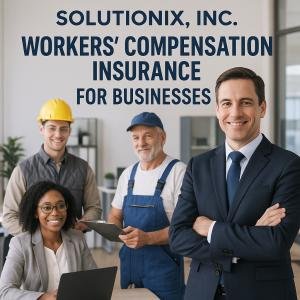
Workers' comp insurance is essential for personnel agencies, providing coverage for employee injuries during assignments. It mitigates financial risk, ensures compliance, and protects both workers and agency liabilities.
Georgia employment agencies must carry workers' compensation insurance to protect temporary and contract workers. Compliance ensures legal adherence and safeguards both agencies and their workforce against workplace injuries.
Experience Mod predictive tools empower businesses to forecast workers' comp savings by analyzing risk patterns and safety measures. This data-driven insight enables strategic decisions to reduce premiums and enhance operational efficiency.
OSHA citations directly impact workers' comp premiums in Georgia senior care facilities, driving up costs due to increased risk assessments. Proactive safety measures are essential to control expenses and ensure compliance.
Building a Workers' Comp Policy with a Georgia ASO streamlines claims management, reduces costs, and ensures compliance. Tailored solutions enhance risk control and support business growth within state regulations.