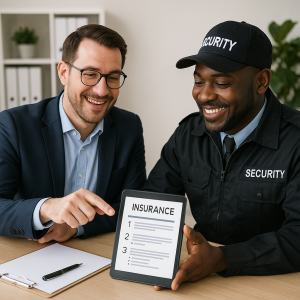
Telemedicine in security guard workers' comp accelerates injury assessment and treatment, reducing downtime and medical costs. This innovative approach enhances care efficiency while improving overall workforce productivity.
Workers comp captives offer tailored risk management but face misconceptions about complexity and cost. Understanding market realities reveals strategic benefits, including enhanced control, cost predictability, and improved claims handling.
When purchasing workers' compensation for a temp employment agency, carefully assess coverage limits, state regulations, and industry risks. Tailored policies protect both the agency and temporary staff, ensuring compliance and financial security.
Assigned-risk workers' comp is crucial for Georgia Employer of Record firms managing high-risk employees. It ensures compliance and coverage when standard insurance options are unavailable, protecting both businesses and their workforce.
Reducing workers' comp rates for private duty nursing hinges on investing in comprehensive training and proper PPE. These measures enhance safety, minimize injuries, and lower associated insurance costs, benefiting both caregivers and agencies.
Navigating workers' comp insurance for skilled nursing facilities can be complex. Our guide simplifies compliance, ensuring you protect your staff and meet regulatory requirements efficiently. Stay covered, stay compliant.
Preparing for a Georgia workers' comp audit is essential for security guard firms to ensure compliance, minimize liabilities, and avoid costly penalties. Accurate records and thorough documentation are key to a smooth audit process.
Safety Culture Recognition Programs empower organizations to prioritize employee well-being, reducing workplace injuries and driving down workers' compensation rates through proactive safety engagement and accountability.
Private duty nursing service workers' comp insurance is essential for protecting both caregivers and agencies from workplace injuries. Understanding coverage requirements and claims processes ensures compliance and financial security.
Hospice care providers face unique workers' comp risks due to patient handling and emotional strain. Tailored insurance solutions are essential to mitigate liabilities and ensure comprehensive employee protection.
In 2024, Georgia's unarmed guard workers' comp rates reflect competitive benchmarks, balancing industry risk and cost controls. Employers can leverage these insights for optimized budgeting and compliance.
Creating a culture of safety in security guard workers' comp loss control reduces claims and enhances workforce well-being. Proactive training, risk assessments, and clear protocols are key to minimizing workplace injuries.
Self-insured workers compensation offers cost savings and control but carries financial risks. Understanding eligibility criteria and weighing pros and cons is crucial for businesses considering this approach to managing employee injury claims.
Light industrial staffing comp coverage offers tailored insurance solutions to protect workers and employers in sectors like manufacturing and warehousing. This coverage addresses unique risks, ensuring compliance and financial security.
Georgia workers' compensation laws require recruitment agencies to provide coverage for temporary and contract workers. Compliance ensures legal protection and financial security for both agencies and their workforce.
Navigating the assigned-risk pool is crucial for high-risk senior home care workers seeking workers' compensation. Understanding this system helps ensure coverage despite elevated occupational hazards and limited insurer options.
Navigating workers' comp insurance is crucial for medical staffing agencies to ensure legal compliance and protect their workforce. This guide offers key insights to manage risks and meet regulatory standards effectively.


 Call Now