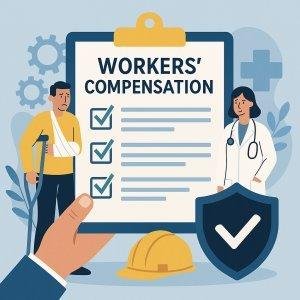
Wellness programs play a crucial role in reducing workers' comp musculoskeletal claims by promoting physical health, improving ergonomics, and enhancing employee resilience, ultimately lowering injury rates and associated costs.
Safety culture surveys are essential tools for assessing workplace attitudes and behaviors. Their insights help reduce workers' comp claims by identifying risks and promoting proactive safety measures.
Mindfulness programs are emerging as a strategic tool in workers' comp cost control. By reducing stress and improving focus, they help lower injury rates and expedite recovery, driving significant savings for businesses.
As new workers' comp regulations emphasize mental health parity, employers must update policies and training to ensure compliance, improving employee well-being and reducing liability risks in the evolving legal landscape.