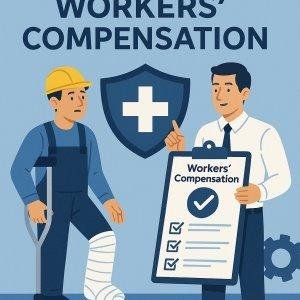
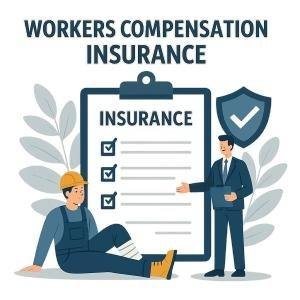
Effective budgeting for workers' compensation hinges on accurate premium forecasting. By analyzing claims data, industry trends, and risk factors, businesses can confidently allocate resources and optimize financial planning.
Large deductible workers' compensation plans offer cash-flow advantages by reducing upfront premium costs and improving liquidity. However, businesses must carefully assess the financial risks of increased out-of-pocket claims exposure.
Scenario planning is essential for preparing workers' comp budgets amid inflation. By analyzing multiple economic scenarios, businesses can anticipate cost fluctuations and allocate resources more effectively, ensuring financial stability.
Rising medical inflation is driving up workers’ compensation costs, challenging budgets across industries. Effective strategies include proactive risk management, claims optimization, and leveraging data analytics to control expenses.
Pay-As-You-Go Workers’ Comp helps businesses improve cash flow by aligning premiums with actual payroll. This model ensures compliance, reduces year-end audits, and enhances financial predictability for smoother operations.
Accurate budgeting for workers' comp is crucial for Georgia CNA staffing agencies. Effective forecasting minimizes financial risk, ensures regulatory compliance, and supports sustainable growth in a competitive healthcare market.
Georgia home health care agencies can improve cash flow with pay-as-you-go workers' comp. This model aligns premiums with payroll, reducing upfront costs and enhancing financial flexibility for growing agencies.
Premium financing for senior home care in Georgia offers a strategic solution to manage cash flow effectively. By spreading costs over time, families ensure consistent care without financial strain.
Accurately forecasting next year's workers' comp budget is crucial for Georgia home health agencies. By analyzing claims trends, regulatory changes, and workforce factors, agencies can optimize costs and ensure financial stability.
Accurate budgeting for workers' comp in CNA staffing agencies is crucial for financial stability. Implement data-driven forecasting, monitor claims trends, and collaborate with insurers to optimize costs and ensure compliance.
Choosing the right deductible level in workers' compensation insurance is crucial for balancing cash flow stability and risk exposure. Businesses must weigh immediate costs against potential long-term liabilities to optimize financial health.
Inflation significantly drives up workers' compensation medical costs, increasing claim expenses and straining employer budgets. Understanding these impacts is crucial for effective risk management and cost containment strategies.
Security guard companies can manage cash flow effectively by using workers' comp premium financing. This strategy spreads large insurance costs into manageable payments, ensuring coverage without financial strain.
Experience Mod forecasting empowers security guard firms to accurately predict workers' comp costs, enabling precise budgeting and strategic planning. Start planning next year's budget today for optimized financial control and risk management.
Accurately forecasting next year's workers' comp costs is crucial for Georgia Guard companies to manage budgets and mitigate risks. Utilizing historical data and industry trends ensures informed financial planning and compliance.
Workers comp premium financing offers businesses a strategic way to improve cash flow by spreading out payments without penalties. This solution ensures compliance while preserving working capital for operational needs.

 Call Now