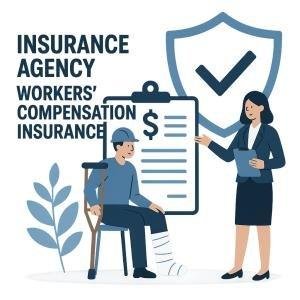
Georgia temp agencies must secure workers’ comp coverage to protect employees from job-related injuries. Compliance ensures legal adherence and financial safeguards in the dynamic staffing industry.
Labor staffing workers’ comp insurance in Georgia protects temporary employees and staffing firms from workplace injury claims. Compliance is crucial to mitigate risks and ensure legal adherence under state law.
Employment agencies must ensure compliance with workers’ compensation laws to protect temporary and contract employees. Understanding state-specific requirements is crucial for liability management and regulatory adherence.
Temporary staffing agencies must secure workers’ compensation coverage to protect both their employees and client companies from workplace injury claims. Compliance ensures legal adherence and financial risk mitigation.
Small businesses with as few as two employees often must carry workers' compensation insurance. This coverage protects both the business and its workforce from liabilities related to workplace injuries, ensuring compliance and financial security.
Group home workers' comp insurance is essential for compliance and staff protection. Understand state requirements, typical rates, and effective risk reduction strategies to safeguard your workforce and manage costs efficiently.
Caregiver agencies operating across multiple states must navigate diverse workers' compensation regulations. Ensuring compliance requires understanding state-specific coverage mandates, reporting procedures, and premium obligations to mitigate legal risks and protect staff.
Independent contractor security guards face unique workers' compensation challenges. Understanding relevant rules is essential to ensure compliance, manage risks, and protect both contractors and businesses effectively.
Independent contractor guards in Georgia must navigate specific workers' comp regulations to ensure compliance and protection. Understanding these rules is critical for both contractors and employers.

 Call Now