Workers' comp for solar installers addresses unique risks like electrical shocks and falls from heights. Proper coverage ensures safety compliance and financial protection in this high-risk industry.
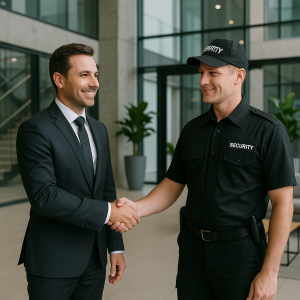
Hotel and hospitality security guards face high risks of injury, making workers' comp claims a critical concern. Key hotspots include slip-and-fall incidents, confrontations, and long hours, emphasizing the need for robust safety measures.
Workers' comp for dark stores presents unique challenges due to their warehouse-style operations. Increased risks like heavy machinery and high inventory demand tailored safety protocols and specialized insurance coverage to protect workers and businesses.
Senior living facility workers' comp loss runs impact insurance premiums significantly. Cleaning up outdated or inaccurate claims data can lead to better rates, improved underwriting, and enhanced risk management.
Claim denials in Georgia's security guard industry can disrupt operations and finances. Understanding common causes and implementing compliance best practices are key to minimizing risks and ensuring smooth claim approvals.
Understanding the difference between Security Guard Workers' Comp and General Liability insurance is crucial. Workers' Comp covers employee injuries, while General Liability protects against third-party claims, ensuring comprehensive risk management.
Disputing a security guard workers' comp audit bill requires thorough review of payroll records, accurate job classifications, and timely documentation. Engage with your insurer proactively to ensure fair billing and avoid costly overruns.
Navigating workers' comp for high-risk senior care facility employees can be challenging as many insurers hesitate to cover these roles. Learn strategies to secure essential coverage when others say no.


 Call Now