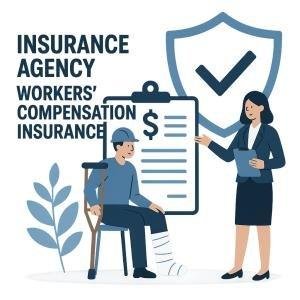
Temp agencies must navigate complex workers' comp laws to protect both their workforce and business. Understanding liability, coverage requirements, and claim processes is essential for compliance and risk management.
Understanding the key differences between workers' compensation and general liability insurance is essential for Georgia security guards. Each covers distinct risks, ensuring proper protection for employees and business operations.
Workers' comp fraud prevention technology leverages AI and advanced analytics to detect anomalies, streamline claims processing, and reduce costs. These tools enhance accuracy, boost efficiency, and protect businesses from fraudulent activities.
Accurate classification of home health care services workers under proper workers' comp class codes is crucial. Misclassification can lead to costly penalties and compliance issues, affecting business operations and liability coverage.
Cannabis dispensary security guards in Georgia face unique workers' comp challenges due to the industry's evolving legal status. Effective solutions include tailored risk assessments and specialized insurance coverage.
Discover essential insights into Georgia security guard workers' comp insurance. This guide covers coverage requirements, benefits, and compliance strategies to protect your workforce and business effectively.
Independent contractor security guards face unique workers' compensation challenges. Understanding relevant rules is essential to ensure compliance, manage risks, and protect both contractors and businesses effectively.
Mobile patrol security guard workers' comp insurance is essential for protecting employees from work-related injuries. It ensures coverage for medical expenses, lost wages, and legal costs, safeguarding both workers and businesses.

 Call Now