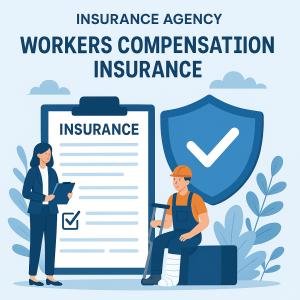
Leveraging modified duty programs in assisted living facilities can accelerate workers' comp claim resolution by enabling injured staff to return safely to work sooner, reducing costs and improving recovery outcomes.
Home health agency administrators must navigate complex workers' comp laws to ensure compliance and protect staff. Understanding key regulations minimizes risk and supports employee safety and agency liability management.
Accurately forecasting next year's workers' comp budget is crucial for Georgia home health agencies. By analyzing claims trends, regulatory changes, and workforce factors, agencies can optimize costs and ensure financial stability.
Preparing for a Georgia home health agency workers' comp audit requires precision. This no-surprise playbook offers strategic insights to ensure compliance, minimize risks, and streamline the audit process effectively.
Modified duty programs in Georgia assisted living facilities are effectively shortening workers' comp claims by enabling injured employees to return to work sooner in adjusted roles, reducing downtime and costs.
Fast COIs streamlines workers' comp certificate issuance for Georgia senior care providers, accelerating compliance, reducing administrative delays, and ensuring seamless operations in a highly regulated industry.
Implementing robust employee safety programs in retirement homes significantly reduces workers' comp costs by minimizing workplace injuries. Proactive training and risk assessments foster safer environments and lower financial liabilities.
Calculating workers' comp premiums for home health care agencies involves assessing payroll, job classifications, and risk factors. Accurate evaluation ensures proper coverage and cost management tailored to agency needs.
Ensure timely workers' comp renewal for Georgia nursing homes with our 30-day checklist. Stay compliant, update employee records, review claims, and coordinate with insurers for seamless coverage renewal.


 Call Now