

Cannabis Dispensary Security Guards: Georgia Workers’ Comp Challenges & Solutions
September 17, 2025
Claim Management Best Practices for Georgia Private Duty Nursing Services
September 17, 2025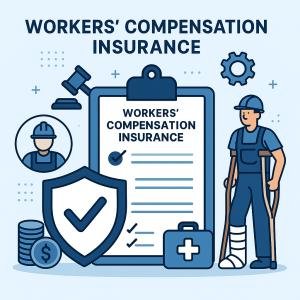
In today’s evolving healthcare landscape, caregiver agencies play an essential role in delivering quality in-home and facility-based care.However, running a caregiving business comes with unique risks and liabilities, making robust workers’ compensation insurance not just a regulatory requirement but a critical component of risk management. this extensive startup guide is designed to equip caregiver agency owners and managers with the essential knowledge needed to navigate workers’ compensation insurance-from understanding coverage basics and regulatory compliance to selecting optimal policies tailored to the caregiving sector. By leveraging this guide, agencies can ensure protection for their workforce, maintain operational continuity, and foster a secure habitat that supports both caregivers and clients.
Table of Contents
- Understanding the Legal Requirements for caregiver Agency Workers’ Compensation Insurance
- Assessing Risk Factors and Coverage Options Tailored to Caregiver Agencies
- Implementing Effective Claims Management and Injury Prevention Strategies
- Choosing the Right Insurance Provider: Key Criteria and Best practices
- Q&A
- In Conclusion
Understanding the Legal Requirements for Caregiver Agency Workers’ Compensation Insurance
Navigating the legal landscape for workers’ compensation insurance is a critical step for any caregiver agency. State laws generally mandate that agencies provide coverage to protect employees from work-related injuries or illnesses. Compliance not only safeguards your workers but also shields your business from potential lawsuits and hefty fines. It’s important to understand that coverage requirements can vary significantly depending on your agency’s location, size, and the nature of caregiving services provided. therefore, before enrolling in a policy, ensure you consult state-specific regulations and verify the minimum coverage limits and reporting obligations.
Beyond state mandates, several essential elements must be incorporated to maintain compliance and operate smoothly:
- Accurate Classification: Properly classify all employees and contract workers to ensure correct premium calculations and coverage.
- Regular Updates: Keep your policy current to reflect any workforce changes, including hiring, layoffs, or new job roles.
- claims Management: Establish clear procedures for reporting and handling claims promptly to avoid penalties and ensure injured workers recieve benefits.
- Documentation: Maintain meticulous records of payroll, claims, and communications with insurers for auditing and compliance validation.
| State | Coverage Required | Minimum # of Employees |
|---|---|---|
| California | Mandatory | 1+ |
| New York | Mandatory | 1+ |
| Texas | Voluntary | N/A |
| Florida | Mandatory | 4+ |
Assessing Risk factors and Coverage Options Tailored to Caregiver Agencies
Evaluating the specific risks inherent to caregiver agencies is paramount for securing appropriate workers’ compensation coverage. These businesses face unique challenges, including physical strain from patient handling, exposure to infectious diseases, and the emotional toll on employees. A thorough risk assessment should consider job roles, frequency of physical tasks, and geographic factors that may influence claim rates. Additionally,seasonal fluctuations in patient volume can impact exposure to workplace injuries,necessitating flexible insurance solutions.
Once risks are identified, agencies should explore coverage options tailored to their operational needs.Key considerations include:
- Medical and Rehabilitation Benefits: Ensures injured workers receive quality care and support for recovery.
- employer Liability Coverage: Protects the agency against third-party lawsuits linked to workplace incidents.
- Temporary Disability Benefits: Offers wage replacement during employee recovery periods.
- Customized Premium Structures: Reflects the agency’s risk profile and workforce size to optimize costs.
| Risk Factor | Impact level | Recommended Coverage Focus |
|---|---|---|
| Patient Transfer Injuries | High | Medical & Disability Benefits |
| Exposure to Infection | moderate | Medical Benefits & Preventative Programs |
| Workplace Violence | Low to moderate | Employer Liability & Safety Training |
Implementing Effective Claims Management and Injury Prevention Strategies
Proactive claims management is essential to control costs and ensure swift resolution of workplace injuries in caregiver agencies. Establishing a dedicated claims coordinator role streamlines interaction between injured workers,healthcare providers,and insurance carriers. This position ensures that all documentation is accurate and submitted promptly, reducing processing delays and potential disputes. Additionally, leveraging digital claims management systems can offer real-time tracking and insightful analytics, helping identify trends and areas requiring attention.
Injury prevention forms the foundation of a sustainable workers’ compensation program. Implementing comprehensive training tailored to the unique physical demands of caregiving-such as proper lifting techniques and ergonomic best practices-reduces the frequency of accidents. regular workplace safety audits and employee feedback sessions create an environment of continuous improvement. Below is a checklist for an effective injury prevention strategy:
- Regular Safety Training: Ongoing education customized for caregiving roles
- Ergonomic Assessments: Modify workstations and equipment to minimize strain
- Incident Reporting System: Encourage early reporting to address minor risks
- Health & Wellness Programs: Promote physical and mental well-being to reduce injury susceptibility
- Return-to-Work policies: Facilitate safe, phased reintegration of injured employees
| Strategy | Benefit | Implementation Tip |
|---|---|---|
| Claims Coordinator | Improved communication & claim accuracy | train on relevant insurance regulations |
| Digital Claims System | Faster processing & trend identification | Choose user-friendly software tailored for healthcare |
| Ergonomic Assessments | Reduced injury risk | Schedule quarterly reviews |
| Employee Training | Enhanced safety culture | Use interactive and scenario-based methods |
Choosing the Right Insurance Provider: Key Criteria and Best Practices
Selecting an insurance provider dedicated to workers’ compensation for caregiver agencies demands a strategic approach. It is essential to evaluate financial stability to ensure the insurer can cover claims reliably over time. Seek out carriers with strong credit ratings and a proven track record in the healthcare or caregiving sectors. Additionally, review their claims process; an effective provider should offer responsive, obvious, and streamlined claims handling that minimizes downtime for your workforce while maintaining compliance with state regulations.
Beyond financial and operational considerations, prioritize providers who demonstrate a thorough understanding of caregivers’ unique risks. Look for services that include tailored loss prevention programs, staff training resources, and risk management consulting to help mitigate potential workplace incidents. Below is a simple comparison of key features to weigh when choosing a provider:
| Criteria | Important Attributes | Benefit for Caregiver Agency |
|---|---|---|
| Claims Handling | Fast, Transparent, Supportive | Minimized downtime, quick resolution |
| Financial Strength | High Ratings (A+ or above) | Reliable claim payouts, long-term security |
| Specialized Risk Programs | Training, Loss Prevention | Reduced incidents, healthier work environment |
Q&A
Q&A: Caregiver Agency Workers’ Compensation insurance – Comprehensive Startup Guide
Q1: What is workers’ compensation insurance for caregiver agencies?
A1: Workers’ compensation insurance is a mandatory insurance policy that provides coverage for medical expenses, lost wages, and rehabilitation costs if an employee is injured or becomes ill due to work-related duties. For caregiver agencies, this coverage protects both the workers and the business from financial liabilities arising from workplace injuries.
Q2: Why is workers’ compensation insurance essential for caregiver agencies?
A2: Caregiver roles often involve physical tasks and direct client interaction that carry the risk of injury. Workers’ compensation insurance ensures that employees receive prompt medical treatment and wage replacement,reducing the risk of lawsuits against the agency. Additionally, it ensures compliance with state laws, avoiding costly fines or business shutdowns.
Q3: Is workers’ compensation insurance legally required for caregiver agencies?
A3: Requirements vary by state, but in most jurisdictions, caregiver agencies with employees are mandated by law to carry workers’ compensation insurance.It’s important to review local regulations and confirm coverage obligations during startup.
Q4: How are workers’ compensation insurance premiums calculated for caregiver agencies?
A4: Premiums are based on several factors,including the agency’s payroll size,classification of caregiving job duties,claims history,and state-specific rates. Because caregiving involves higher risk tasks, premiums may be higher compared to other office-based businesses.
Q5: What coverage does workers’ compensation insurance provide specifically for caregiver agency employees?
A5: Coverage typically includes medical treatment for workplace injuries or illnesses, wage replacement benefits during recovery, disability benefits if applicable, vocational rehabilitation, and death benefits for beneficiaries in tragic cases.
Q6: How can a new caregiver agency select the right workers’ compensation policy?
A6: Agencies should assess their workforce size, specific job risks, and state requirements. Consulting with an insurance broker who specializes in healthcare or caregiving businesses can definitely help identify appropriate carriers, coverage limits, and affordable premium options tailored to the agency’s needs.
Q7: What steps should a caregiver agency take to comply with workers’ compensation requirements at startup?
A7: Key steps include:
- Registering with the state workers’ compensation board if required
- Obtaining a workers’ compensation insurance policy before hiring employees
- Posting required workplace notices about workers’ compensation rights
- Maintaining accurate payroll and injury records
Q8: How does workers’ compensation insurance impact the overall operational costs of a caregiver agency?
A8: While workers’ compensation insurance represents an additional expense, it is a necessary investment that mitigates higher potential costs from workplace injury lawsuits, employee absenteeism, and regulatory penalties. Proper risk management and safety training can help reduce claims and keep premiums manageable.
Q9: Can self-reliant contractor caregivers be excluded from workers’ compensation insurance coverage?
A9: Typically,independent contractors are not covered under the agency’s workers’ compensation policy. Though, classification depends on the nature of the working relationship and state regulations. Misclassification risks legal and financial penalties, so agencies must carefully evaluate worker status.
Q10: What are best practices for managing workers’ compensation claims in a caregiver agency?
A10: Effective claims management includes:
- Promptly reporting injuries to the insurer
- Encouraging employees to seek immediate medical care
- Maintaining open communication with injured workers
- Implementing return-to-work programs
- Regularly reviewing incident patterns to improve safety policies
This Q&A framework provides a clear, professional overview for startups seeking to understand and implement workers’ compensation insurance within caregiver agencies.
In Conclusion
securing the appropriate workers’ compensation insurance is a critical step for caregiver agencies aiming to protect their workforce and maintain regulatory compliance.By thoroughly understanding coverage requirements, evaluating policy options, and partnering with experienced insurers, agency owners can mitigate risks and ensure financial stability in the face of workplace injuries. This comprehensive startup guide serves as a foundational resource to navigate the complexities of workers’ compensation insurance, empowering caregiver agencies to focus on delivering exceptional care with confidence and peace of mind.
“This content was generated with the assistance of artificial intelligence. While we strive for accuracy, AI-generated content may not always reflect the most current information or professional advice. Users are encouraged to independently verify critical information and, where appropriate, consult with qualified professionals, lawyers, state statutes and regulations & NCCI rules & manuals before making decisions based on this content.

